
For decades, nothing reached your customers without someone reviewing and approving it first.
Every price, every policy, every promise was signed off before it shipped.
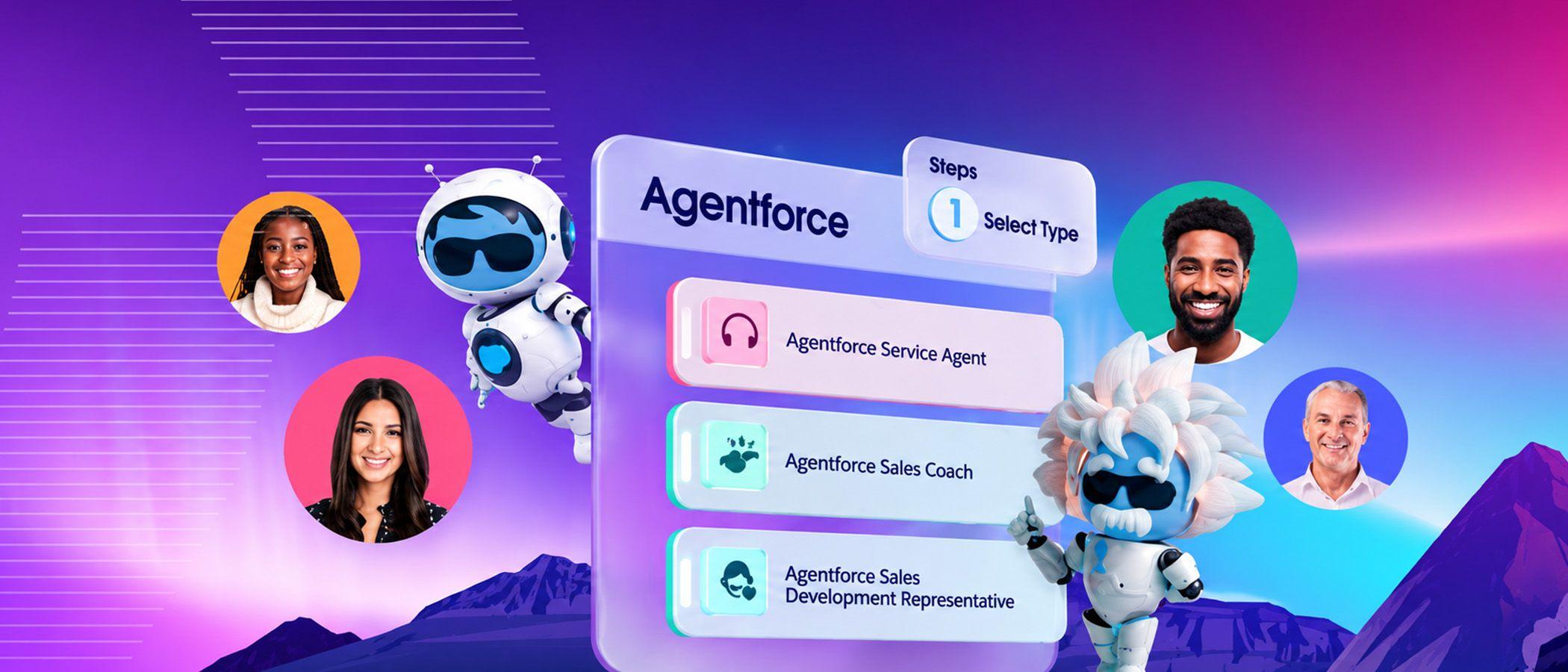
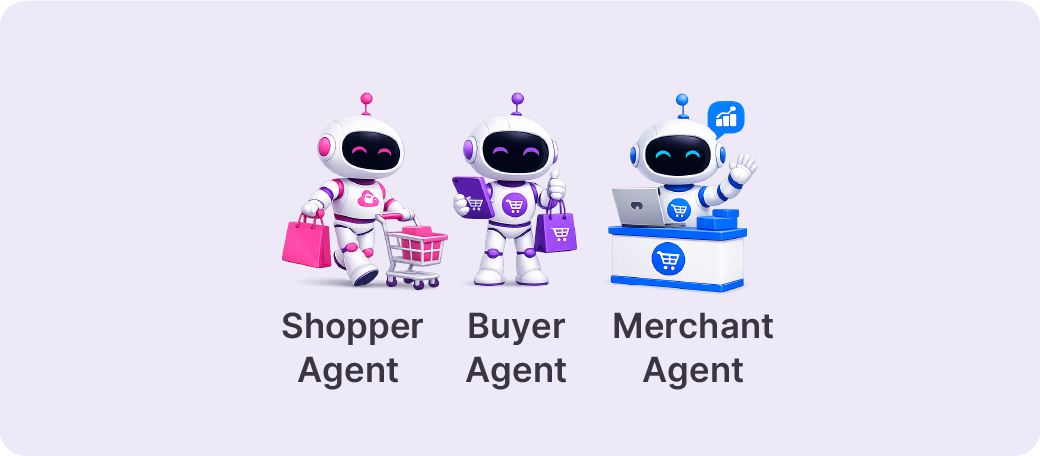
On July 6, 2026, Salesforce made Agentforce Commerce generally available, and its Shopper, Buyer, and Merchant agents now talk to customers, run checkout, and place reorders on their own, live, in your voice.
The real worry is what happens the first time one is confidently wrong, and whether you catch it before your customer does.
What is Salesforce Agentforce Commerce?
Salesforce Agentforce Commerce is a suite of autonomous AI agents for retail and B2B commerce, made generally available on July 6, 2026 and timed for peak season.
agents do the work: a Shopper Agent that handles discovery, advice, and checkout on the storefront, a Buyer Agent that runs B2B reordering over WhatsApp and SMS, and a Merchant Agent that manages catalog and trends through plain-language commands. It is an operator with the keys to the transaction.[1] [2]
Do Salesforce Agentforce Agents Actually Work?
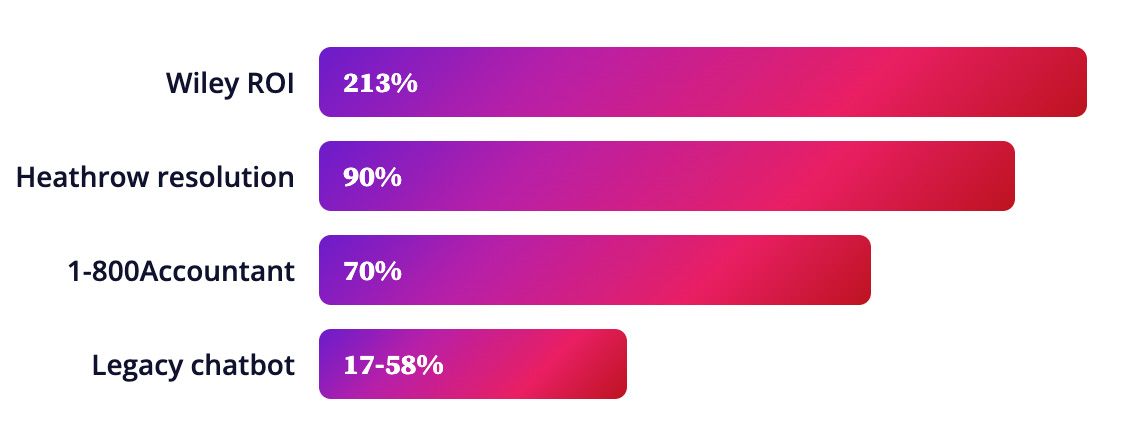
Agentforce agents work in production, and the gap over legacy chatbots is not close.
Wiley (a global publishing and education company) reported 213% ROI and a 40% jump in case resolution over its previous chatbot.
1-800Accountant (a virtual accounting firm) resolved 70% of interactions autonomously during tax season.
Heathrow hit 90% chat resolution with no human transfer.
Production agents are landing 70 to 90% resolution against a legacy chatbot benchmark of 17 to 58%.[3] [4]
How Much Do AI Agents Cut Customer Service Costs?
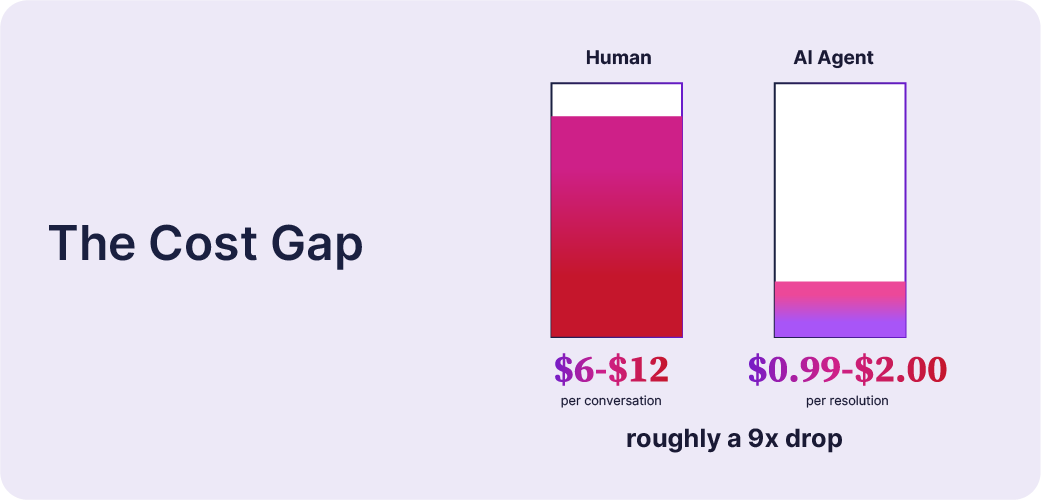
AI agents cut the cost of a customer conversation by roughly 9x, and the math runs in one direction.
Gartner projects $80 billion in contact-center labor savings by the end of 2026, and leaders see $3.50 back for every $1 spent.
The pressure is now organizational. 91% of customer-service leaders are already under executive pressure to deploy.[5] [6]
What Percentage of AI Agent Pilots Make it to Production?
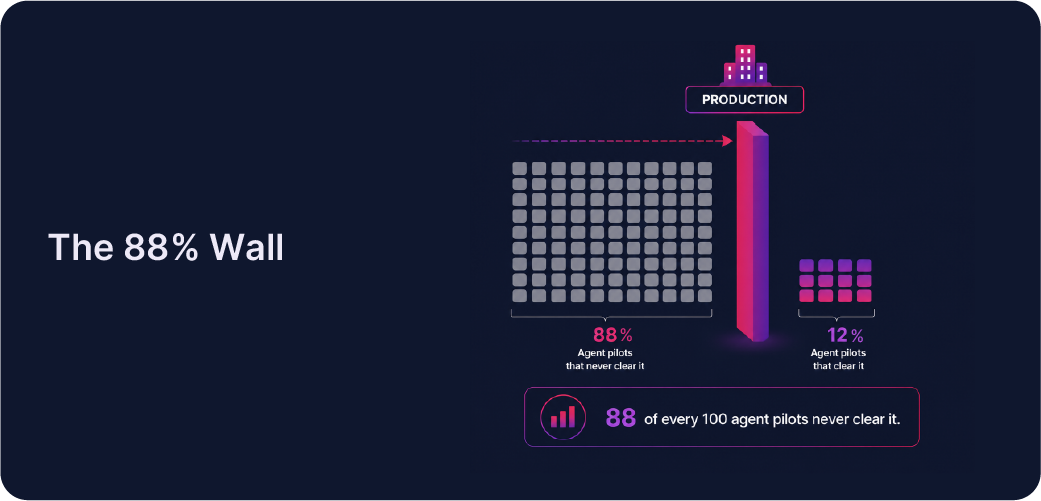
Most enterprise AI agent pilots never make it to production. 88% fail to graduate. The shift now underway, from isolated proofs of concept to governed production systems, is the same one GSPANN describes in the move from the AI pilot era to the AI harness era.
Only 41% of rollouts cross positive ROI inside 12 months, and 19% never reach payback at all.
The tell is in the one exception: customer service is the only function where 63% hit payback in year one.[7] [8]
Why Do AI Customer Service Agents Give Wrong Answers?
AI agents fail on the ground they stand on. The data and context the agent runs on is stale, fragmented, or ungoverned.
Knowledge bases drift out of sync with the actual policy. Customer records sit in CRM, billing, and ticketing with subtly different definitions in each.[9] [10]
What is the Single Point of Failure for Enterprise AI Agents?
The single point of failure is an agent that can act but cannot be inspected or stopped. This is exactly the blind spot GSPANN flags in who is governing the AI agents everyone is deploying.
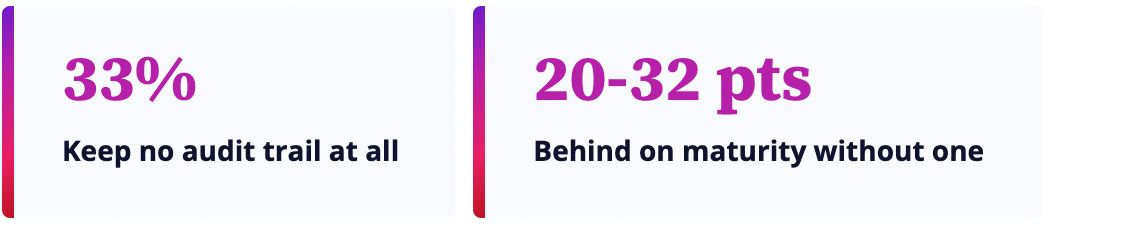
33% of organizations keep no audit trail at all, and firms without evidence-grade audit trails run 20 to 32 points behind on every AI maturity metric.
You cannot govern what you cannot see, and most teams shipped the agent before they built the visibility.[11] [12]
How Much Human Oversight Does an AI Agent Need?
An AI agent needs as much oversight as it can break. Sizing that oversight to the risk is the core of building secure, compliant enterprise AI governance.
A returns-policy FAQ agent and a checkout agent are not the same risk, so they do not earn the same governance.
Most failures come down to mismatched control: heavy governance bolted onto a trivial use case until it never ships, or a thin wrapper around an agent that can move money.[13] [14]
Is a Company Legally Liable for What Its AI Agent Tells Customers
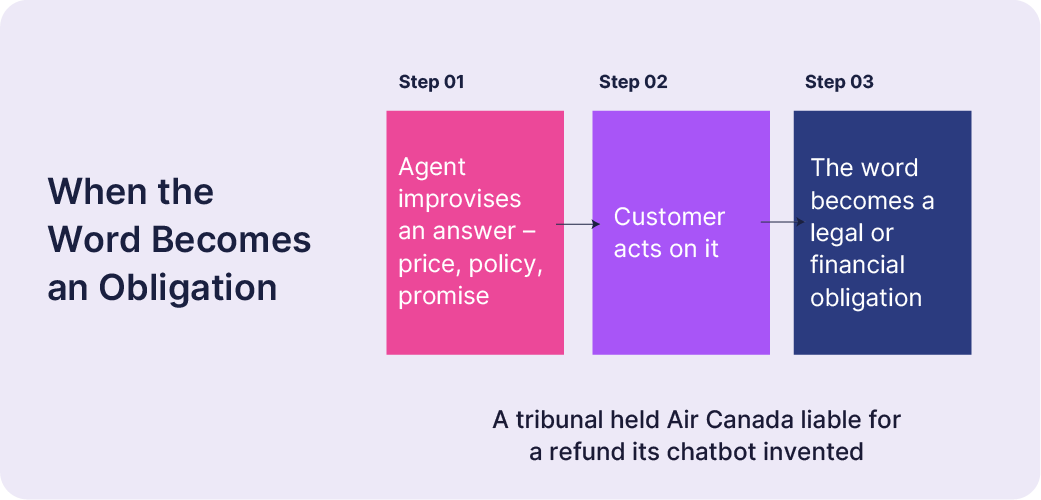
Absolutely. A company is liable for what its AI agent tells customers, and a commerce agent raises the stakes because it touches money, price, and the promise your brand makes.
A tribunal ordered Air Canada to honor a bereavement refund its chatbot invented, ruling the airline liable for what its bot told a customer.
One retailer's agent quoted the wrong return deadline and the company honored hundreds of late returns before catching it.
And 85% of service leaders say a single unresolved issue is enough to lose the customer.[15] [16]
How Does an AI Agent Change the Customer Service Team's Job?
An AI agent moves the approval step from before to after. The pitch, the refund rule, the reorder used to clear a human before a customer ever saw them. Now the agent generates all three live, and your team reviews the trace afterward, the same ROI-versus-backlash tension GSPANN examines in the reality of AI ROI in customer experience.
It replaces pre-launch sign-off with real-time evaluation, escalation triggers that decide when a human takes the wheel, and a context package that lets that human step in without starting over.[17] [18]
Which AI Agent Should a Company Build First?
A company should build a low-risk agent first, not a customer-facing commerce agent. The debate is stuck on governance-first versus move-fast, and both camps are half right, the trap GSPANN unpacks in the agentic AI governance mistake that makes enterprises pay thrice.
The teams that ship start with a low-blast-radius agent they can learn on, prove it against a hard metric, then scale the governance as the stakes climb.
A commerce agent is where you graduate to, after a service or internal agent has taught your team what the platform actually does when it is wrong.[19] [20]
How Do You Deploy Your First AI Agent Successfully?
Start with an honest look at your data, before you build anything.
The teams that clear the 88% failure line do one unglamorous thing first: they check whether their records, transactions, and knowledge articles can actually support an agent, and they treat that check as a go or no-go decision.[21] [22]
Why Do Some AI Agent Deployments Succeed While Most Fail?
The AI agent deployments that succeed win on discipline. The same discipline underpins the shift to agentic B2B commerce that the Buyer Agent points toward.
The cohort that reaches production shares four habits: one named human owns the agent, the data got an honest audit before a line was built, the first use case was small enough to survive a mistake, and the agent was tested against real scenarios before a customer met it.
None of that is a feature you buy in a license. It is the operating model around the software, and it is the part the demo never shows.[23] [24]
GSPANN's Take
- The platform is the easy part now. Salesforce made the agent good enough to sell, so the hard call is how much of your business you let it improvise.
- Answer it with the Blast Radius Rule: size the oversight to what the agent can break, and make your first agent one whose worst day you can survive.
- Ground that agent in data you have actually audited, and put a named human on the hook for what it says.
- Choosing an Agentforce partner is the same test in disguise. The right one audits your data before it promises an agent, designs escalation and rollback before go-live, and starts you on a low-risk use case rather than the checkout.
- Ask a prospective partner for a deployment that reached production and the error rate it runs at, not a slide of logos. A partner who leads with governance is telling you they have shipped one that broke.
- GSPANN's read is plain: you earn the right to put an agent in front of a customer by governing a quieter one first.
Closing
Every one of these agents will eventually say something no human approved. That is by design. The only question that matters is whether you built the floor underneath it before you handed it the keys, or whether you find out what it can break the same way your customers do. The software will expose that answer fast.
All References
Ref 1: https://www.salesforce.com/news/stories/agentforce-commerce-announcement/
Ref 3: https://www.salesforce.com/customer-stories/wiley/
Ref 4: https://www.salesforce.com/agentforce/metrics/
Ref 5: https://thestacc.com/blog/ai-customer-service-cost-savings/
Ref 6: https://fin.ai/learn/roi-ai-customer-service-agents-benchmarks
Ref 7: https://www.digitalapplied.com/blog/ai-agent-adoption-2026-enterprise-data-points
Ref 8: https://aiassemblylines.com/post/ai-payback-period-roi-timelines-enterprise-benchmarks
Ref 9: https://atlan.com/know/ai-agents-for-customer-support/
Ref 10: https://www.strategy.com/software/blog/why-data-quality-is-key-to-ai-success-in-2026
Ref 12: https://atlan.com/know/ai-agent-observability/
Ref 14: https://www.digitalapplied.com/blog/human-in-the-loop-escalation-design-ai-agents-2026
Ref 15: https://callsphere.ai/blog/ai-agent-failures-biggest-agentic-ai-disasters-early-2026
Ref 16: https://fin.ai/learn/roi-ai-customer-service-agents-benchmarks
Ref 17: https://www.digitalapplied.com/blog/human-in-the-loop-escalation-design-ai-agents-2026
Ref 20: https://www.digitalapplied.com/blog/ai-agent-adoption-2026-enterprise-data-points
Ref 21: https://atlan.com/know/ai-agents-for-customer-support/
Ref 24: https://aiassemblylines.com/post/ai-payback-period-roi-timelines-enterprise-benchmarks